Hip Pain Treatment
Hip Pain Treatment in Denver
Evidence-Based Care at Denver Spine & Performance
Hip pain can significantly impact your ability to walk, train, and perform daily activities. Whether it stems from overuse, poor movement mechanics, or underlying joint dysfunction, untreated hip pain often leads to compensation and issues elsewhere in the body.
At Denver Spine & Performance, we focus on identifying and correcting the root cause of hip pain through a combination of movement analysis, hands-on care, and progressive strength-based rehabilitation. Our goal is not just to reduce pain—but to correct the underlying dysfunction so you can move freely and confidently without recurring issues.
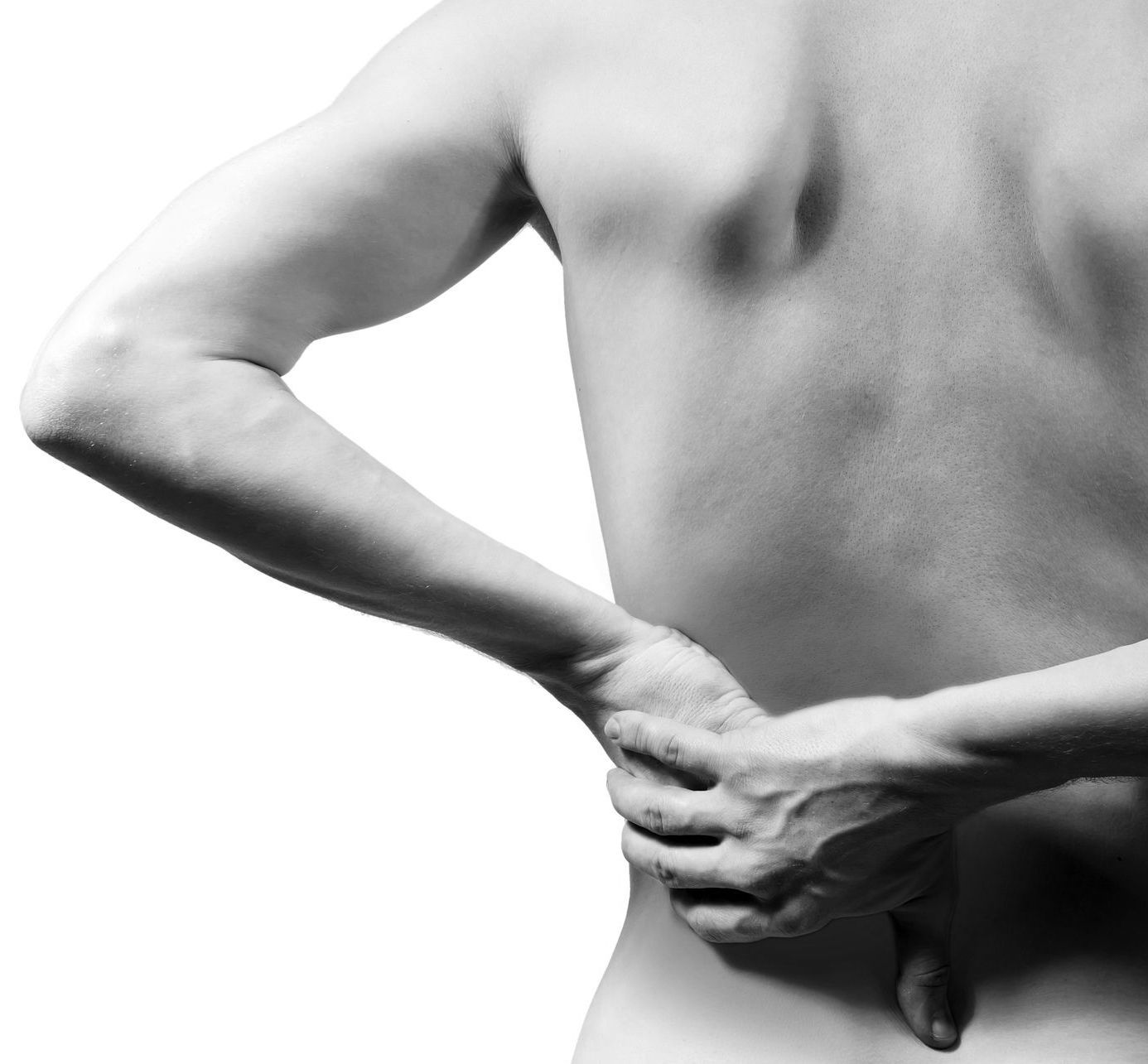
Understanding Hip Pain
Understanding the Hip Joint
The hip is a ball-and-socket joint designed for both stability and mobility. It plays a central role in transferring force between the upper and lower body.
Hip Anatomy
- Femoral Head (Ball)
- Acetabulum (Socket)
- Labrum
- Hip Capsule
- Surrounding Muscles (Glutes, Hip Flexors, Rotators)
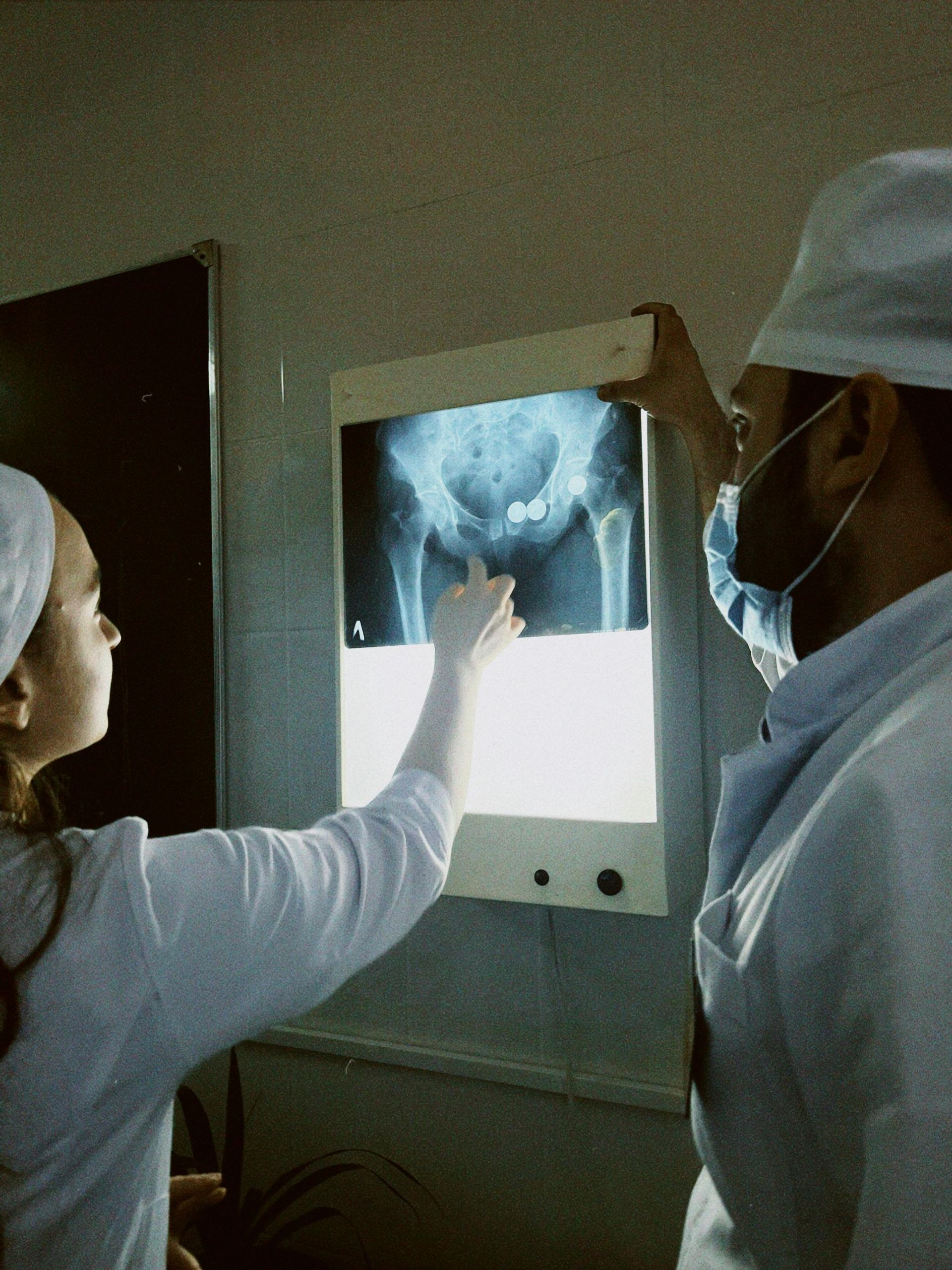
Mechanical Hip Pain
Understanding Mechanical Hip Pain
Mechanical hip pain is the most common form of hip discomfort and typically originates from the muscles, joints, or surrounding soft tissues rather than systemic or inflammatory conditions. It often develops gradually over time due to repetitive stress, poor movement patterns, or prolonged static positions.
Patients commonly describe mechanical hip pain as:
- A deep, dull ache in the front (anterior) or side (lateral) of the hip
- Discomfort that increases with activities like squatting, lunging, running, or getting up from a seated position
- Stiffness or tightness, especially after prolonged sitting or inactivity
- A feeling of restriction or pinching at the front of the hip with certain movements
Referred & Compensatory Pain
The hip plays a central role in the body’s movement system, acting as a key link between the upper and lower body. When the hip is not functioning properly, other regions are often forced to compensate—leading to pain that may not seem directly related to the hip itself.
Hip dysfunction can contribute to:
- Lower Back Pain: Limited hip mobility can force excessive motion through the lumbar spine, increasing strain and irritation
- Knee Pain: Poor hip control—especially during activities like running or squatting—can alter knee alignment and increase stress on the joint
- Altered Movement Patterns: Compensation strategies such as shifting weight, reduced stride length, or asymmetrical movement can develop subconsciously
At
Denver Spine & Performance, we take a full-body, movement-based approach by evaluating the entire kinetic chain—including the hips, spine, knees, and ankles. This allows us to identify the true source of dysfunction, correct inefficient movement patterns, and deliver long-term results rather than temporary symptom relief.
Hip Pain Conditions We Treat
Common Conditions
- Hip Impingement
- Gluteal Tendinopathy
- Hip Flexor Strain
- Piriformis Syndrome
- Chronic Hip Tightness
- Movement Dysfunction

Hip Pain Treatment at Denver Spine & Performance
1. Root Cause Diagnosis
We perform a detailed assessment to identify:
- Movement limitations
- Joint dysfunction
- Strength and stability deficits
- Nervous system involvement
This allows us to determine whether your pain is mechanical, nerve-related, or a combination of both.
2. Integrated Treatment Approach
Your care plan may include:
- Targeted manual therapy to reduce pain and improve mobility
- Progressive strength and stability training
- Movement retraining specific to your lifestyle or sport
- Nerve mobility techniques for radiculopathy
Evidence supports that combining manual therapy with active rehabilitation can improve pain and function in spine-related conditions.
3. Performance-Focused Rehabilitation
We don’t stop at pain relief. Our goal is to:
- Restore full movement capacity
- Build strength through the spine and surrounding structures
- Improve resilience to prevent recurrence
Whether you’re an athlete, active adult, or working professional, your program is tailored to your demands and goals.
4. Education & Long-Term Strategy
You’ll leave every session understanding:
- What’s causing your pain
- How to manage it effectively
- What to do and how to prevent flare-ups
This empowers you to take control of your recovery—not rely on ongoing passive care.
Hip Pain Treatment in Denver, CO — Get Started
At Denver Spine & Performance, we specialize in helping active individuals overcome hip pain and return to high-level function—without unnecessary imaging, medications, or long-term passive care.
If you’re ready to address the root cause of your pain and get back to performing at your best, we’re here to help.
Book Your Initial Evaluation Today
- Personalized assessment
- Clear diagnosis
- Customized treatment plan
Hip Pain is just one of the many conditions we treat at Denver Spine & Performance.
Contact us today at 303.758.1100 for an individualized plan of care.